
Bérêche Et Fils: Champagne with a Memory
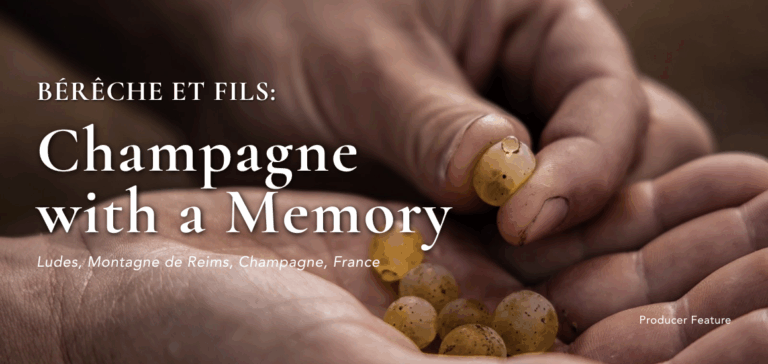
At Bérêche et Fils, Raphaël vinifies nearly every parcel on its own, then decides whether it stands alone or joins a blend. One cuvée takes that patience further, drawing on wine that’s aged in the same barrels since 1985.
A House Since 1847
Albert Bérêche planted the family’s first vines in Ludes, on the northern edge of the Montagne de Reims, in 1847. Today, brothers Raphaël and Vincent are at the helm. Vincent runs the vineyards, and Raphaël runs the cellar. Together they have kept the estate’s growth modest, even as demand for their wines has climbed well beyond that.
Growers themselves treat Bérêche as one of the benchmark names in the category. Having transitioned to négociant (Négociant-Manipulant) from grower (Recoltant-Manipulant), the brothers could now add fruit from 3 trusted growers in Ludes, Mailly and Rilly-la-Montagne, exclusively used in making the Brut Réserve. The estate still grows every other wine in the range entirely on its own vines.
Chalk, Clay, and a Widening Map
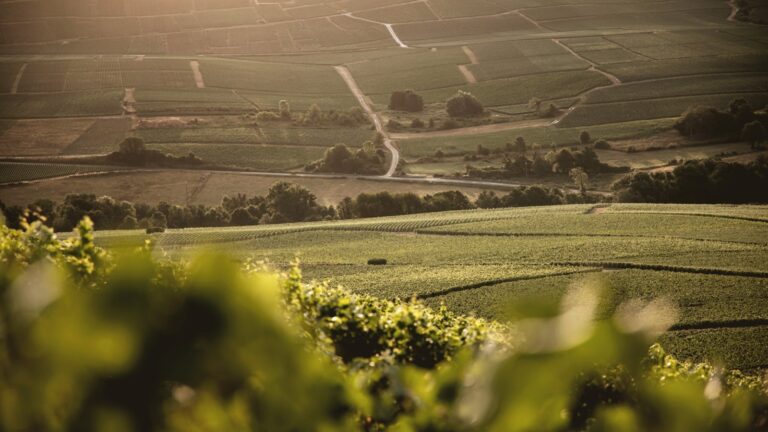
The estate now farms around 11 hectares across genuinely different pieces of Champagne. The core sits in Ludes, on the chalk slopes of the Montagne de Reims, alongside smaller parcels in Trépail, Chigny-les-Roses and Ormes. A separate holding in Mareuil-le-Port, in the Vallée de la Marne, sits on clay rather than chalk. That clay leans the wines more toward Meunier, giving them a fruitier, saltier edge than the Montagne fruit. Bérêche also has single grand cru parcels in Mailly, Aÿ, Ambonnay and Cramant. They bottle each one on its own, to show what that site alone can do. The estate farmes without herbicides and keeps moving closer to full biodynamic practice. Ten full-time vineyard workers tend the eleven hectares, an unusually high ratio. It lets Vincent farm each parcel according to its particular needs, rather than treating all of the estate as one block.
In the Cellar
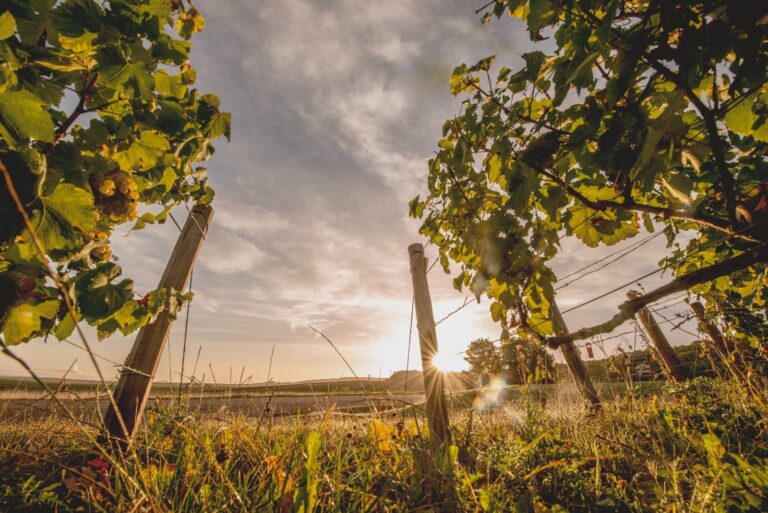
Raphaël vinifies nearly every parcel on its own. He tastes each one separately before deciding how it fits into the eventual blends. The approach owes more to Burgundy than to most of Champagne. Fermentation runs on native yeast, and Raphaël usually blocks malolactic conversion to keep the wines taut. Most of the range also ages sous liège, i.e., under cork rather than crown cap (sous capsule) for the second fermentation in bottle. It’s a slower, more labor-intensive method, but it lets in a trace of oxygen. The brothers believe that trace builds complexity, while still leaving room for the wines to age for years afterward.
Capturing Individual Expression
Across the range, expect a house style that leans on bright acidity and a chalky, saline finish. Barrel aging adds just enough weight to keep the wines from feeling austere. Cork aging also gives them a rounder, more settled character earlier than most Champagne built this way, though no one should rush to open these. What changes from bottle to bottle is what each site brings to it. Expect leaner, more high-toned character off the Montagne de Reims chalk, and riper, saltier fruit out of Mareuil-le-Port. Bérêche excels at capturing this range of individual character and expression.
THE WINES
Brut Réserve NV
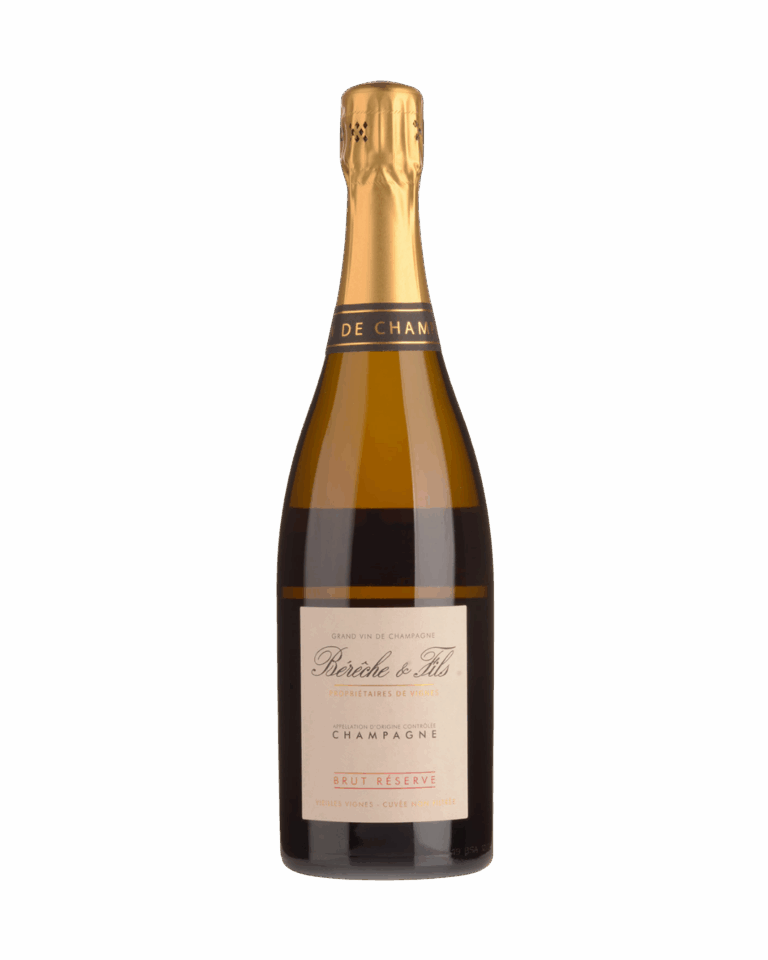
The estate’s flagship and its calling card, roughly equal parts of the 3 varieties. Raphaël builds it from the current base vintage, then tops it up with reserve wine drawn from both the chalk of the Montagne de Reims and the clay of the Vallée de la Marne.
Nectarine and orange zest open here, toasted brioche and dried pear close behind, with a touch of hazelnut and spice underneath. Full bodied, the palate turns ample and dense, while racy acidity and a creamy mousse carry it forward. The finish turns chalky and saline, with considerable length.
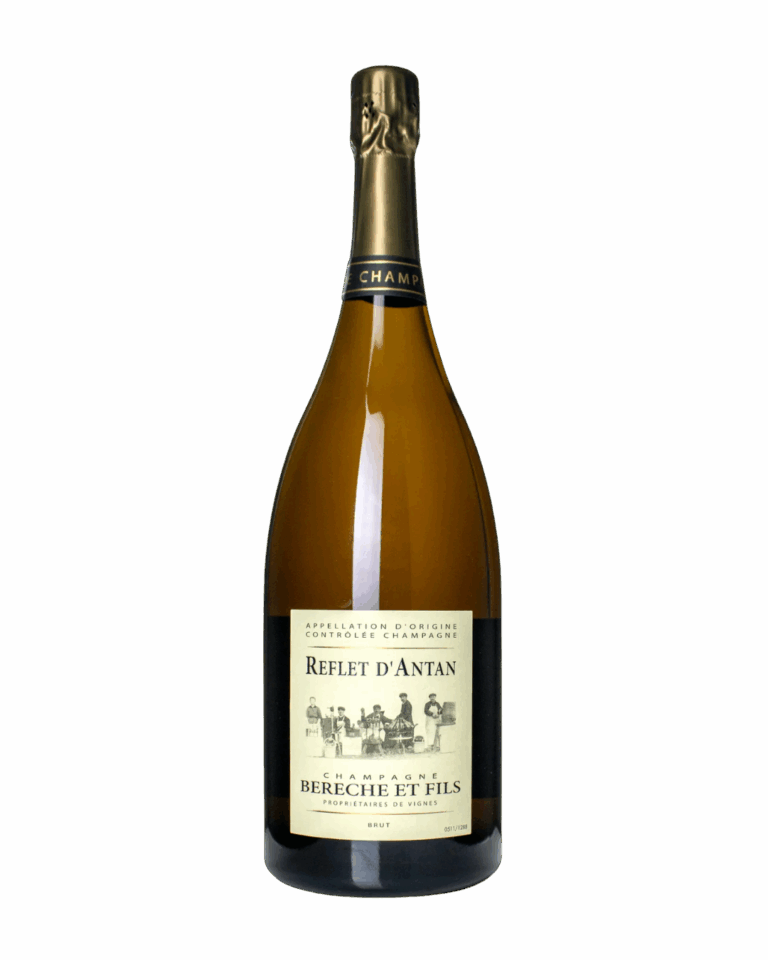
Reflet d’Antan NV Magnum
The most singular wine in the range. It draws on a perpetual reserve that Jean-Pierre Bérêche started in 1985. Each year, they bottle off two-thirds of the barrel and replace it with new wine, so every glass carries a thread of Champagne going back four decades. The blend holds equal parts of the three varieties, aged under cork for close to 3 years before release.
Citrus oil and ripe peach lead the nose, joined by warm pastry, toasted nuts and dried flowers, with a whisper of fenugreek and spice trailing behind. Full bodied, the palate turns fleshy and layered, while brisk acidity and a silken texture carry its concentrated fruit. The finish runs long, with a saline edge.
For inquiries, send us a Viber message at +63 (977) 842 4819 or email us at retailandcorp@pwxchange.com.ph