
Billaud-Simon: The Gold Standard of Chablis
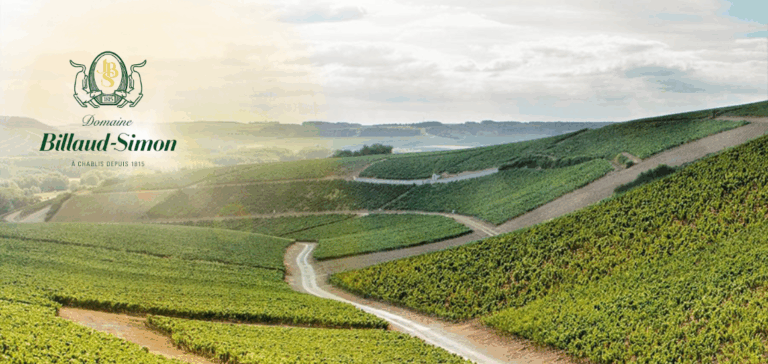
We’re hardly surprised Chablis is having its moment again, and Billaud-Simon is at the center of it for very good reason: bright, dry, mineral-driven wines built on late-picked, old-vine fruit and barely any oak. These wines continue to captivate palates and the imagination.
Why Chablis, Why Now
Chablis has recently been basking in the spotlight. Robb Report featured Chablis in its 2026 buying guide. Specifically, it noted that village-level bottlings can age for years. That praise is usually saved for pricier Burgundy.
Meanwhile, the trade press has another reason for paying attention. The Drinks Business reported raised yield limits in December 2025. This decision followed tough vintages, including a severe hailstorm at several Grand Cru sites. This points to genuine scarcity, not just a marketing story.
Additionally, there is a growing value argument. Cellars.com.au highlighted this point last November. Top Chablis Grand Crus often cost the same as basic Côte d’Or whites. As a result, serious drinkers are now taking advantage of this price gap.
A July 2025 Vinous report described growers adapting to volatile weather. Even so, they continue to protect the classic Chablis style. Woodland Hills Wine Company summed up the appeal simply. High-acid, unoaked Chardonnay quickly wins over traditional Chardonnay skeptics.
A House Two Centuries in the Making
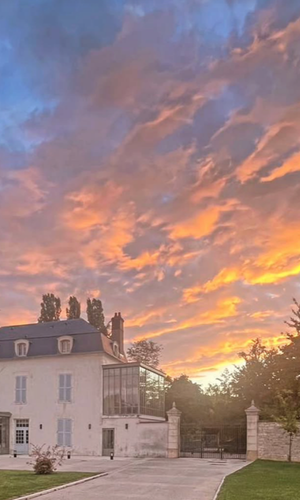
Billaud-Simon’s ties to Chablis go back to 1815, when Charles Louis Noël Billaud came home from the Napoleonic Wars and planted the family’s first vines along the Serein River.
Spanning nine generations, Domaine Billaud-Simon grew through a 1930s family union and 1990s winery modernization under Bernard Billaud, maintaining traditional vineyard practices throughout.
Domaine Billaud-Simon joined Domaine Faiveley in 2014. While ownership changed as a result, local operations persist seamlessly under winemaker Olivier Bailly, who maintains its distinct late-harvest tradition.
Terroir and the Kimmeridgian Line
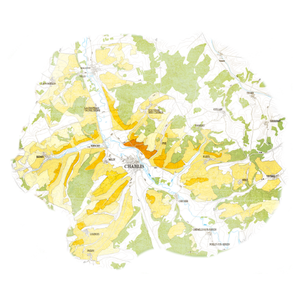
The domaine farms just under 17 hectares along the Serein River. The land is planted entirely to Chardonnay on Kimmeridgian limestone. This fossil-rich soil also runs beneath Champagne and southern England.
Surprisingly, Billaud-Simon picks later than most of its neighbors. The new owners initially questioned this habit before admitting it works. Eventually, the vineyards converted to organic farming, earning full certification in July 2025.
In the vineyard
Everything is picked by hand at full ripeness. Then, the grapes are sorted a second time at the winery. Vine age plays a meaningful role here. The estate’s average vine is around 50 years old. The oldest plantings in Montée de Tonnerre push past 80.
Several of the Grand Cru holdings are tiny to begin with. Blanchots amounts to less than a fifth of a hectare, and Les Preuses is barely more. Consequently, yields stay modest without much effort. Grapes go straight to a pneumatic press after harvest. They settle and macerate in the cold for several days before fermentation begins.
In the cellar
Fermentation runs slow, 2 to 3 weeks, on native yeast in temperature-controlled tanks, with malolactic conversion usually starting in December and finishing on its own schedule rather than being pushed along.
A small portion of oak is reserved for the old-vine Mont de Milieu and Blanchots. Otherwise, the wines mature in steel. They rest on their lees for just over a year. Next, they are racked twice before late-autumn bottling. Fining and filtration are kept to a minimum. This decision gives the wine clarity without stripping its texture.
The result is a house style built on tension, not weight. In youth, the wines open with citrus and stone fruit. They hold their bright acidity for years. Honey and spice notes pick up only as they age.
The Wines: Four Grand Crus and a Flagship
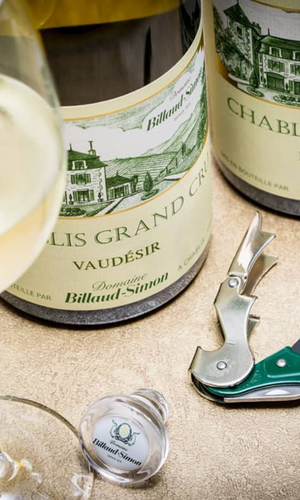
Billaud-Simon holds parcels in four Grand Crus at its core, Les Clos, Vaudésir, Les Preuses, and Blanchots, along with four Premier Crus: Montée de Tonnerre, Mont de Milieu, Fourchaume, and Vaillons. In certain vintages, the domaine also bottles Grand Cru Valmur through trusted growing partners. Two wines anchor the range at opposite ends: Petit Chablis is the estate’s true entry point, grown on the outer plateaus outside the classified Kimmeridgian slopes, while Tête d’Or, blended from the best village parcels near Montée de Tonnerre, is the flagship, the wine that has represented Billaud-Simon’s house style for more than ten years.
If Meursault or Puligny-Montrachet are already in your rotation, Chablis is worth reaching for as a counterpoint. The Côte d’Or’s white wines favor riper fruit and, in some vintages, a measure of new oak, giving wines with more weight and a rounder texture. Chablis, further north and grown on Kimmeridgian limestone the Côte d’Or doesn’t have, comes across tauter and saltier, letting acidity do the work that oak does elsewhere. Neither approach is better, they’re answering different questions about what Chardonnay can be, and tasting the two side by side is one of the more direct ways to understand the range Burgundy covers.
The Whites of Chablis and the Côte d'Or
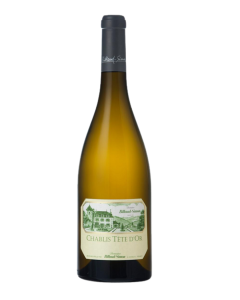
Chablis Tête d’Or 2022
Decanter, 92/100
The flagship at village level, blended from the estate’s best parcels near Montée de Tonnerre, the clearest single expression of house style.
Lemon and lime lead the nose, joined by green apple, pear, and a hint of honey and white petals. Medium bodied and smooth on the palate, it holds good weight and balanced acidity through an extended finish touched with soft spice.
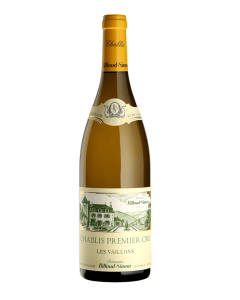
Les Vaillons Chablis 1er Cru 2022
Wine Spectator, 93/100
Chablis’s largest Premier Cru said to be its most important left-bank site, prized for elegance over power.
Grapefruit skin and apple open the nose, layered with barley sugar and citrus pith. Medium bodied, the palate is generous with fruit yet stays lean, carrying a chalky texture through to a crisp finish.
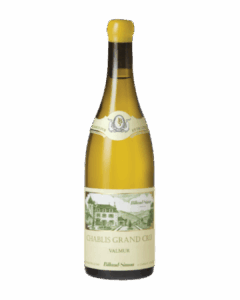
Valmur Chablis Grand Cru 2023
Tim Atkin, 94/100
Grand Cru Valmur is often said to combine the density of Les Clos with the finesse of Vaudésir.
Candied lemon and citrus rind open the nose, with orchard blossom and a stony minerality beneath. Medium to full bodied, the palate shows real richness, carrying firm acidity and fine tension through to a mineral finish that lingers.
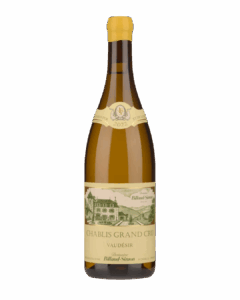
Vaudésir Chablis Grand Cru 2022
Tim Atkin, 95/100
Grown in a natural amphitheater at the center of the grand cru slope, prized for aromatic clarity and floral lift beyond its immediate neighbors.
Acacia and lime blossom lead the nose, followed by vanilla and honey. Full bodied and broadly structured on the palate, it carries lively acidity through a finish marked by bitter citrus and a touch of lanolin.
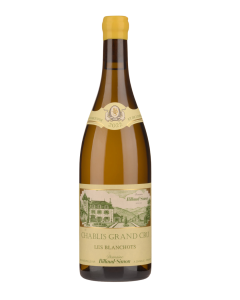
Les Blanchots Chablis Grand Cru 2022
Jasper Morris, 95/100
The coolest and easternmost of the grand crus, ripening days behind its neighbors, which is why it’s the one cuvée here that takes on a touch of oak.
Peach and orange peel open the nose, joined by gentle spice from its share of oak and a touch of pale blossom. Medium bodied and understated on the palate, it shows lasting minerality and drive through a dry finish of impressive length.
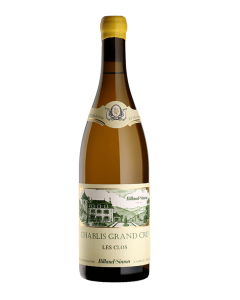
Les Clos Chablis Grand Cru 2022
Jasper Morris, 94/100
Chablis’s most celebrated grand cru, the wine most collectors reach for first, and the benchmark the other six are measured against.
Lemon oil and warm bread open the nose, with clear honey, apple blossom, and oyster shell beneath. Full bodied and dense on the palate, it carries deep concentration and a mineral-driven freshness through a finish that stretches on and on.
For inquiries, send us a Viber message at +63 (977) 842 4819 or email us at retailandcorp@pwxchange.com.ph