The Champagne producer that changed its mind
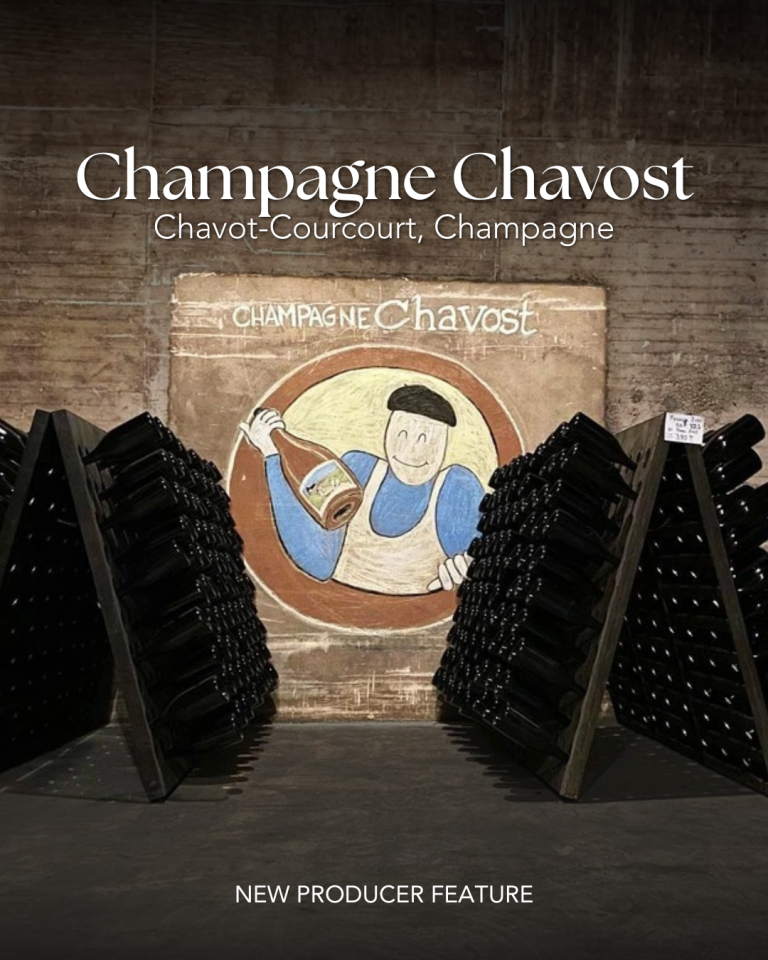
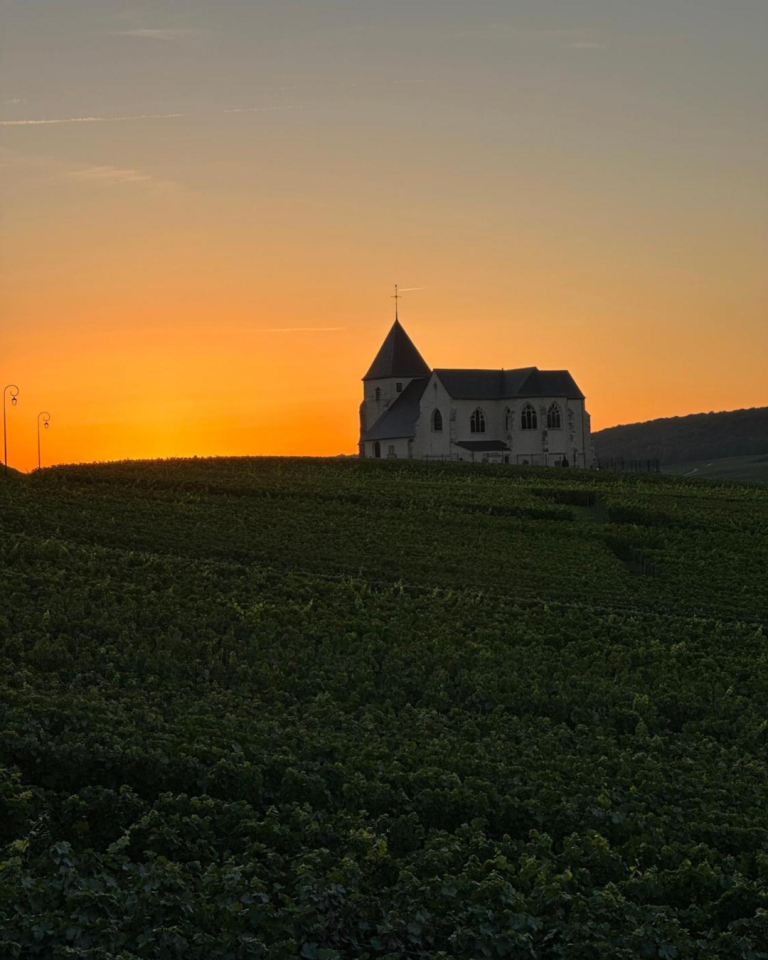
The village of Chavot-Courcourt sits at a geographical crossroads where the chalky slopes of the Côte des Blancs meet the richer clay soils of the Vallée de la Marne. This specific location allows different grape varieties to thrive just meters apart, creating a versatile landscape for viticulture. Since its formation by a handful of growers in 1946, the local co-operative has maintained a steady presence in the region, traditionally focusing on volume and selling fruit to larger houses. What it has not been, until recently, is a source of wine that gets people talking. That has changed.
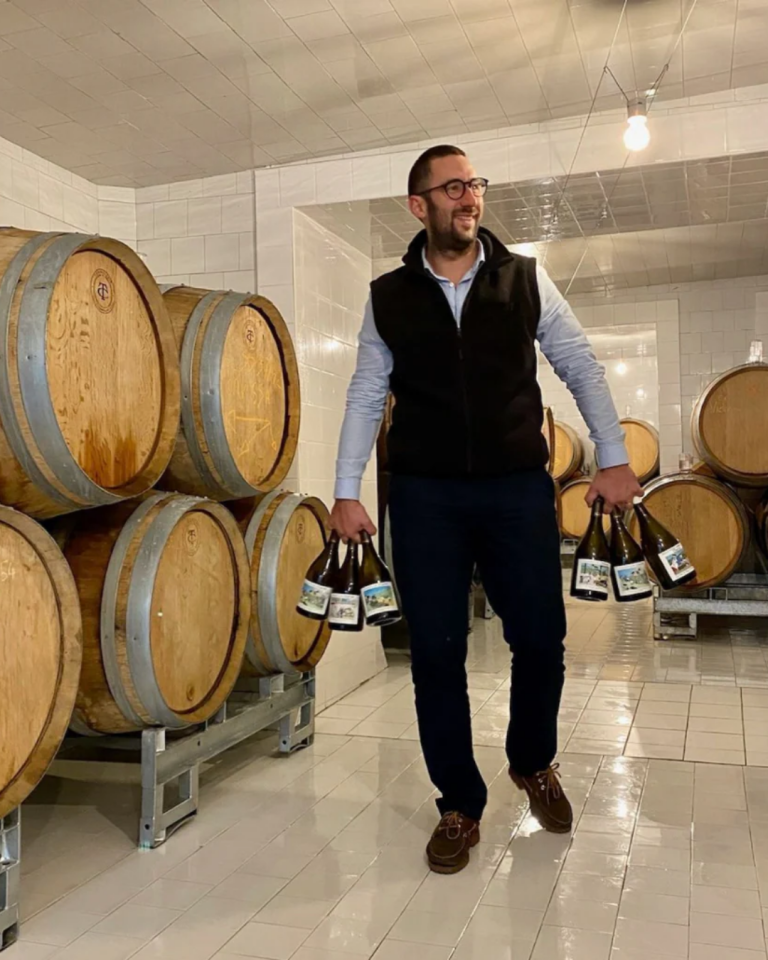
Change arrived in 2019 when Fabian Daviaux took over as chef de cave at the age of 30. Himself a 7th generation grower and winemaker with a decade of global experience, Daviaux recognized that the collective holdings could offer something beyond conventional production. He performed a significant feat of persuasion, convincing longtime members to dedicate 5 hectares of organic vineyard land to a radical project: creating a range of wines entirely free of additives or sulfites.
His approach moves away from standard industrial methods. Daviaux employs ambient yeasts for gravity-induced fermentation and avoids acidification, chaptalization, or filtration. By using only the first press of the juice and opting for zero dosage, he aims to present an honest reflection of the hillside where his ancestors worked. This initiative marks a revolutionary shift for a co-operative, pushing the boundaries of natural winemaking within the often traditional Champagne landscape.
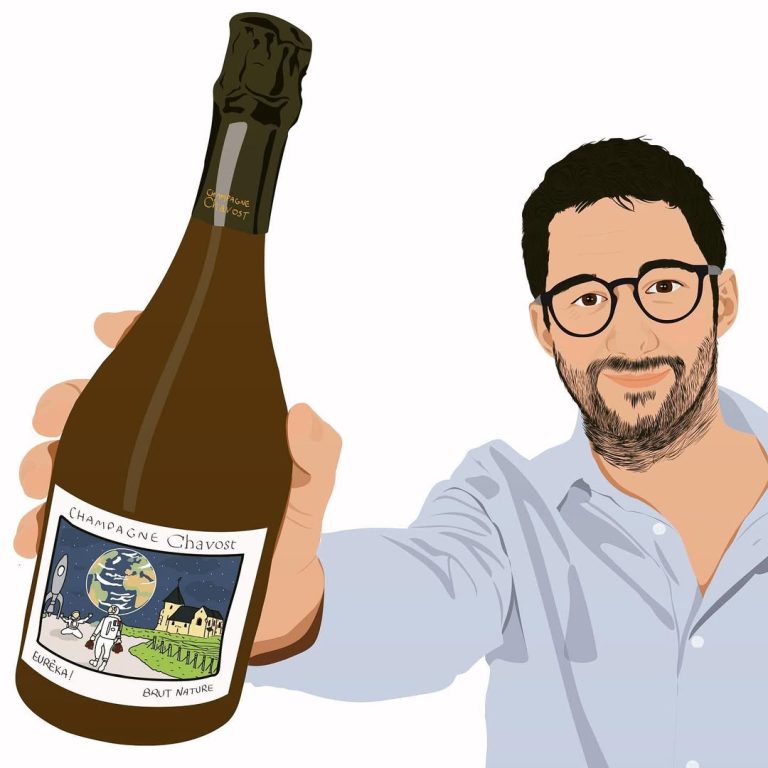
As it happens, the Chavost cooperative was established by Fabian Daviaux’s own grandfather and a few other families from the village. Fabian did not, however, follow a straight line into winemaking.
Born in 1987, Fabian initially wanted to be an oncologist. He studied biochemistry before his path pivoted toward oenology, and he graduated from the Georges Chappaz Institute at the University of Reims in 2008. What followed was a decade of winemaking across 4 continents: South Africa, Napa Valley, New Zealand, and beyond, refining his technique and, critically, his philosophy. His conviction around additive-free winemaking hardened during these travels. He tasted too many natural wines that were poorly made, and he wanted to understand how to do it correctly. By the time he returned, he had spent over a decade learning.
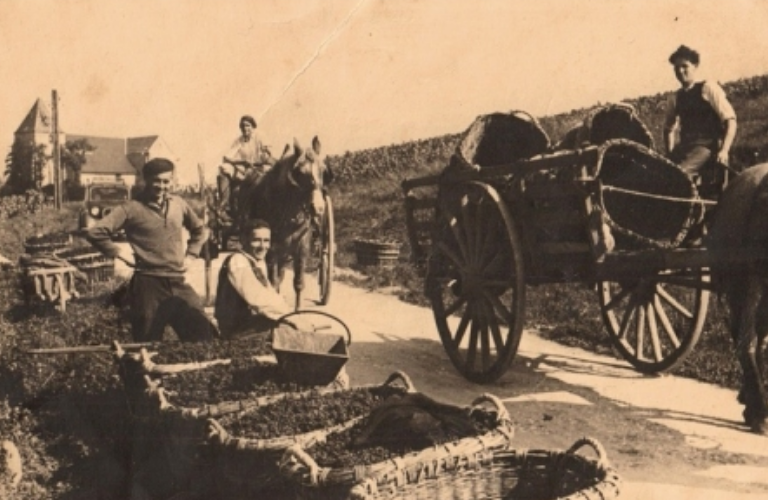
Taking over as chef de cave of the very cooperative his grandfather helped build, Fabian came with conditions: the co-op would produce organic, additive-free Champagnes from a dedicated parcel of their best fruit, or he wouldn’t take the job. Convincing a room of older, multi-generational growers to upend their production model was no small thing. Fabian did it through tastings, conversation, and the sustained argument that their terroir was capable of wines far beyond what they had been making. The growers listened.
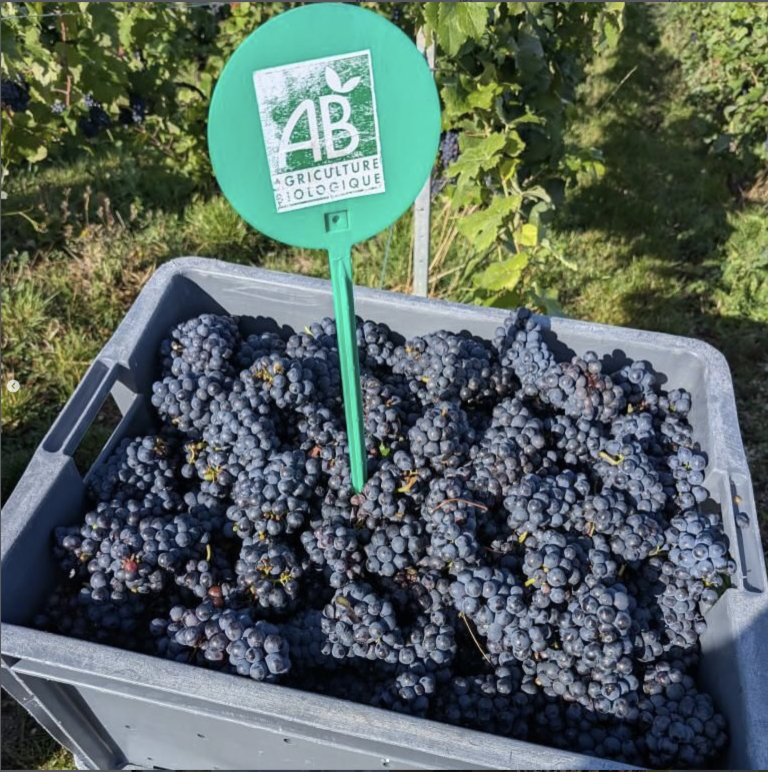
Since 2023, the co-op’s 5.5 hectares of dedicated vineyards have been fully certified organic. The range Fabian produces from this parcel uses indigenous yeasts exclusively, undergoes both alcoholic and malolactic fermentation without commercial additives, receives zero dosage at disgorgement, and most unusually for Champagne, no sulfur is added at any point, including at bottling. The wines are not clarified or filtered. Each cuvée is made from a single vintage, though none carry vintage designations since Chavost ages its wines for under the 3-year minimum required by AOC rules for a vintage label, a deliberate choice by Fabian to preserve the wines’ primary freshness and vivid fruit character.
The results have attracted serious attention. Chavost was an awardee at the 2021 Les Trophées Champenois. Recognized as the best cooperative in Champagne that year, it was acknowledgment of both the vineyards’ organic conversion and the no-additive winemaking program Fabian had set in motion. In the natural wine bars of Paris, Chavost has become a darling.
Fabian’s explanation for his no-sulfur commitment is disarmingly direct: “In the beginning, zero sulfur was something that was very important for me because I couldn’t breathe when I used to use it. It was 100 percent the main thing.” Practicality became principle, and principle became a house style that now defines one of the most discussed small-production Champagne projects in the world.
THE WINES
All Chavost wines are produced from a single vintage (though unlabeled as such), fermented in stainless steel with indigenous yeasts, and disgorged with zero dosage and no added sulfites. They are not chaptalized, acidified, or deacidified.
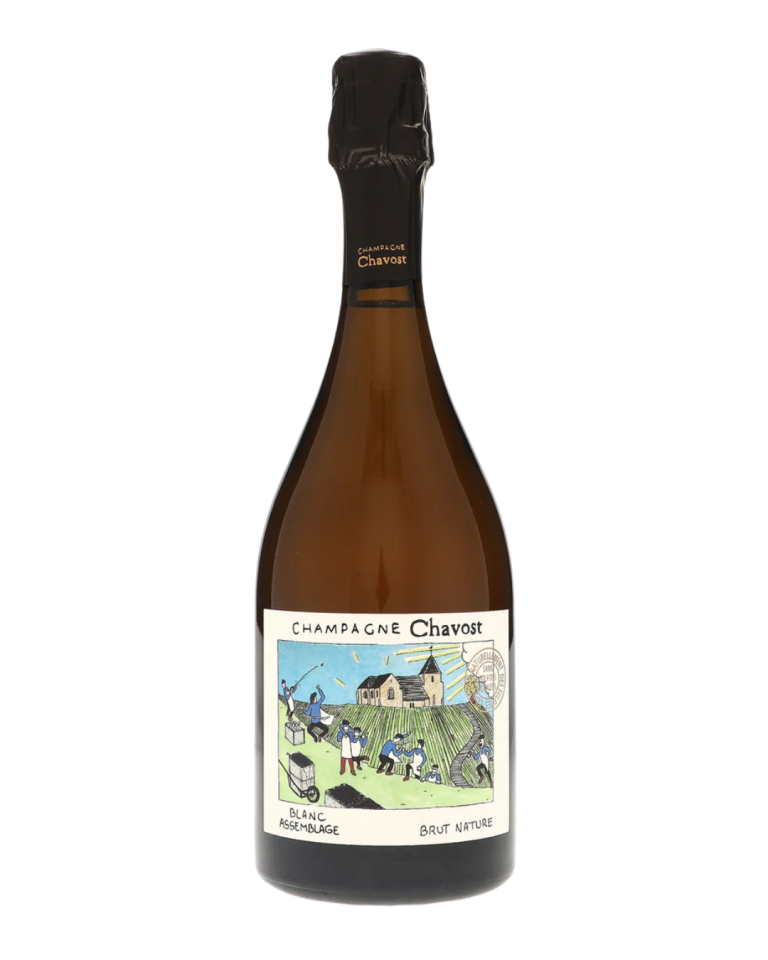
Blanc Assemblage Brut Nature
50% Chardonnay, 50% Pinot Meunier
This is the entry point to the Chavost range, and it delivers far more than the label lets on.
Aromas of red apple, pear, and hints of melted butter lead the profile. The palate is medium-bodied with a creamy texture and fine mousse. Brisk acidity provides excellent balance alongside a savory, salty edge. It concludes with a refreshing grapefruit pith finish.
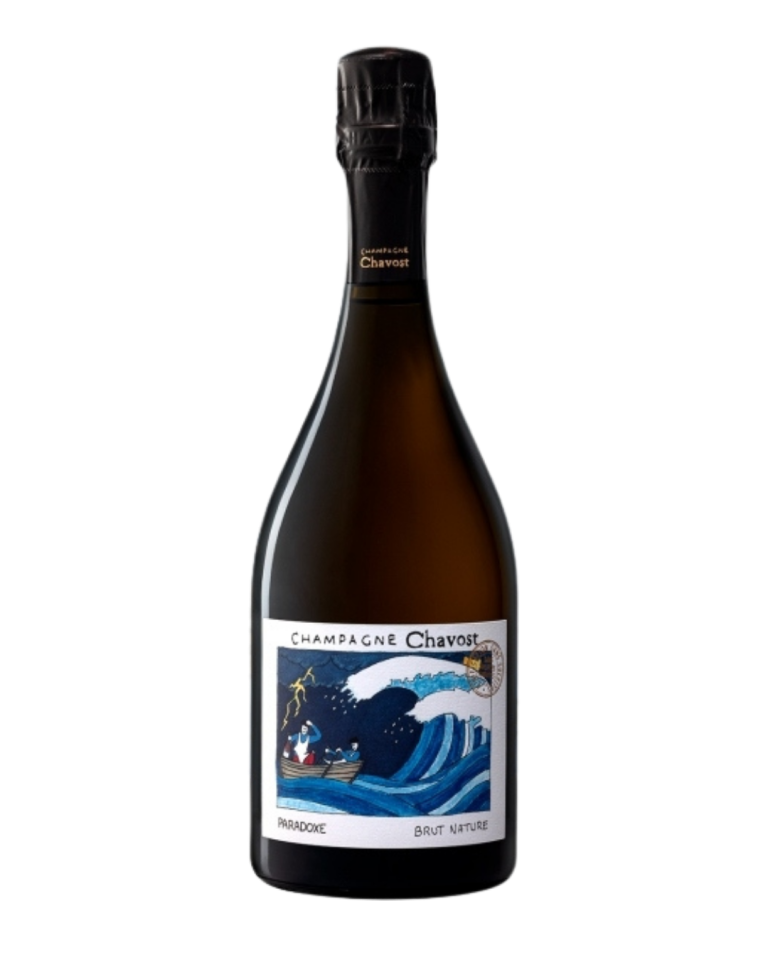
Paradoxe Brut Nature 2019 – 2023
60% Chardonnay, 40% Meunier
The exception, a blend of five consecutive vintages each contributing its own character to the final wine, Paradoxe is the one that earns its name.
Notes of yellow plum, nectarine, and toasted brioche emerge first. This medium-bodied cuvée displays a supple mouthfeel and harmonious weight. Vibrant freshness and great concentration drive the mid-palate toward a clean, mineral-driven end.
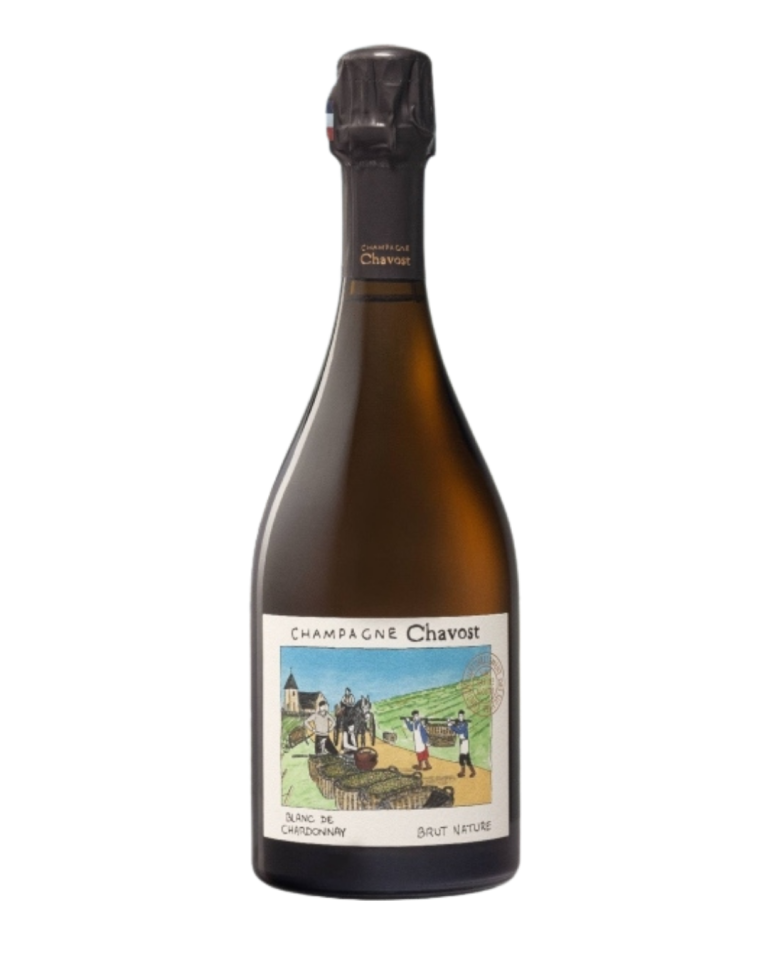
Blanc de Chardonnay Brut Nature
100% Chardonnay, 100% Cuvée*
*Fabian uses exclusively the first-press juice here, and the difference is immediate.
Bright scents of lemon peel, acacia, and green almond define the nose. It is light-bodied yet surprisingly intense, showing a silk-like feel. Sharp citrus energy and chalky depth create a focused profile. The finish remains dry and exceptionally crisp.
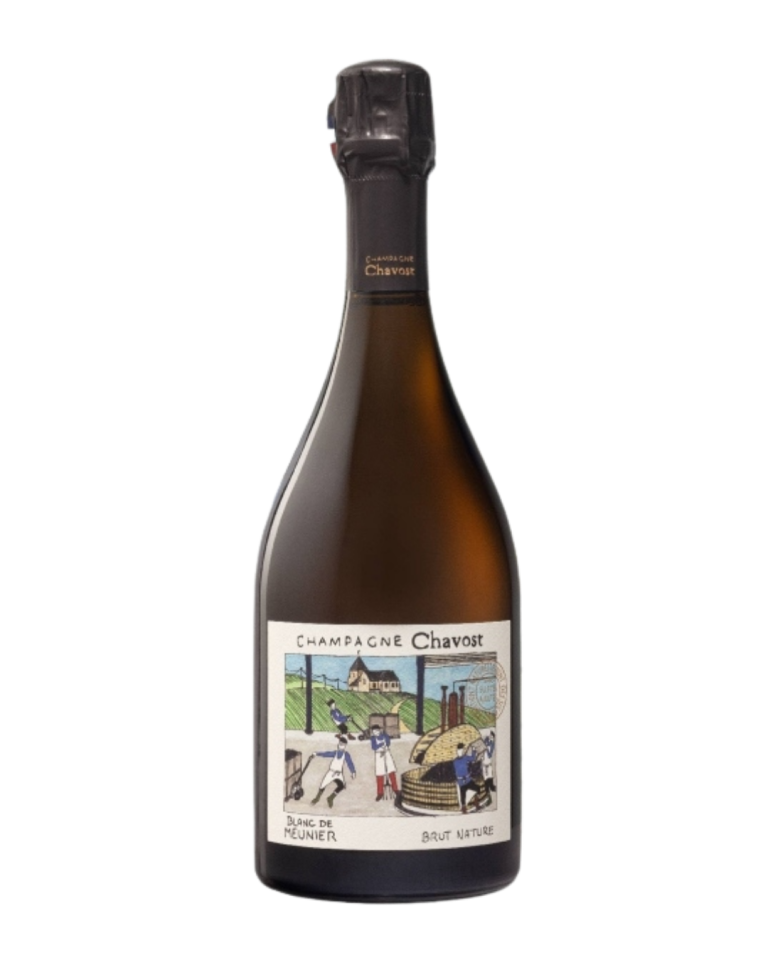
Blanc de Meunier Brut Nature
100% Meunier, 100% Cuvée
One hundred percent Meunier, from the co-op’s north-facing clay-limestone plots, with vines between 10 and 60 years old, aged on lees for a minimum of 3 years before disgorgement. Only 3,709 units were produced.
Wafts of wild strawberry, peach, and dried herbs fill the glass. A full-bodied wine with a plush, expansive character. Excellent tension and fruit density provide a satisfying grip. It leaves a lingering impression of spice and ripe orchard fruit.

Rosé! Brut Nature NV
67% Pinot Noir, 34% Pinot Meunier
Vinified in stainless steel without added sulfites or dosage, no filtration.
Stewed blackcurrant, cherry, and raspberry dominate the nose, with the Pinot Noir and Meunier each contributing to an expressive, fruit-forward aromatic profile. On the palate, the structure is immediate and assertive, the richness and depth more reminiscent of a fine red wine than a conventional rosé. Ripe red fruits unfold through the mid-palate, leading to a long, persistent finish grounded by minerality and natural complexity.
Given the rigorous standards and hands-on nature of Daviaux’s work, total production remains extremely small. We feel fortunate to have secured a modest portion of these wines for our cellar, though our stocks are now very low. We invite you to experience this singular vision of Champagne by exploring the remaining selection today while these unique examples are still on our shelves.
For inquiries, send us a Viber message at +63 (977) 842 4819 or email us at retailandcorp@pwxchange.com.ph