
DOMAINE DE CASSIOPÉE
Courage is best sustained by conviction. This is what has brought Talloulah Dubourg and Hugo Mathurin to creating something genuinely exceptional from choosing what is overlooked. The young couple, both born in 1994 and both trained as agricultural engineers and oenologists, made the deliberate choice to plant their flag not in the celebrated villages of the Côte de Beaune, but in its outermost, most underestimated corner: Maranges.
Their search for a home was guided by the quest to find a place cold enough that it could, as warming temperatures continue to press northward across Burgundy, produce the fresh, light, and energetic wines they actually wanted to drink. Maranges, wedged between wild forestland and the Montagnes des Trois Croix in the extreme south of the Côte de Beaune, was the answer. In early 2020, they seized an opportunity to take over a little-known, 5-hectare estate in Sampigny-lès-Maranges, a house with a cellar and 8 different plots scattered across the hillsides, and Domaine de Cassiopée was born.
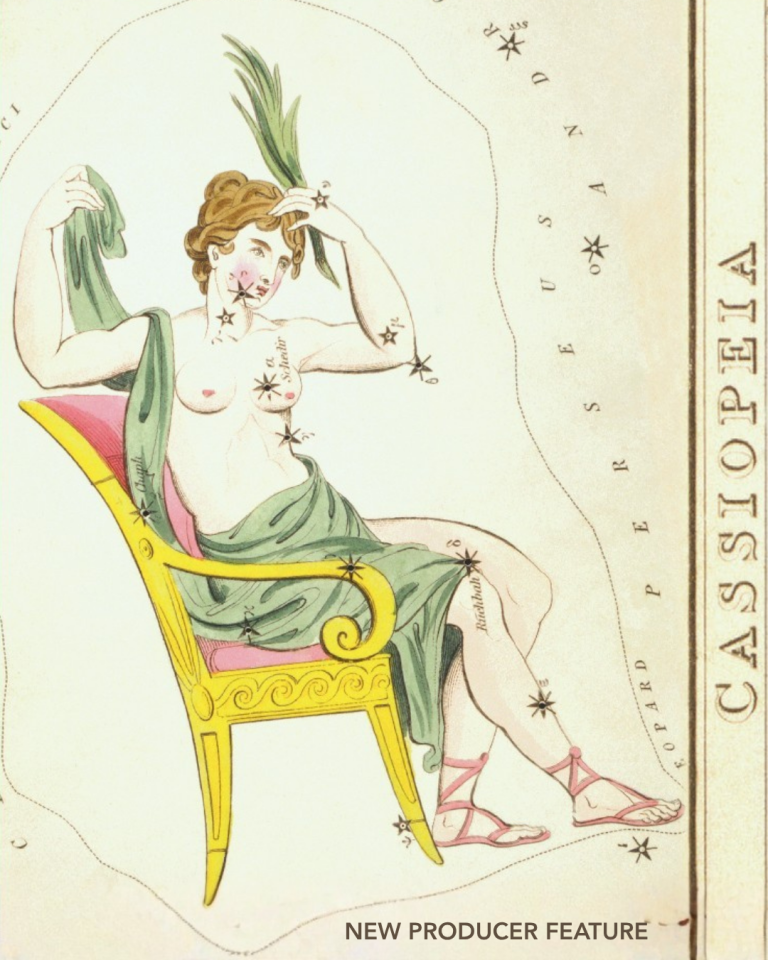
The name refers to the constellation Cassiopeia, the same one that has oriented travelers across the night sky for centuries. It is also, Hugo and Talloulah have said, the name they hope to one day give a daughter. “The estate is a bit like our first child, and demands even more time than one!”
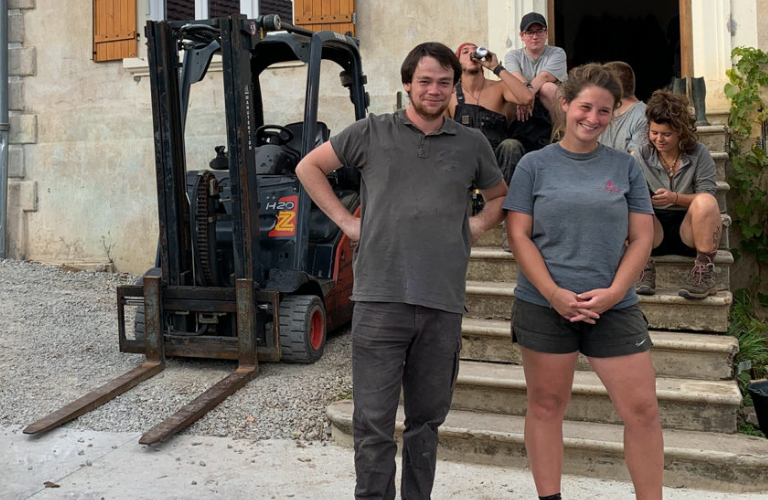
The training they each brought to that first vintage was formidable. Hugo had worked at Domaine Jean-Marc Roulot and Domaine Frédéric Mugnier, two of Burgundy’s most exacting addresses, before serving as technical director at the prestigious Lycée Viticole de Beaune. Talloulah passed through Clos de Tart and Benjamin Leroux before spending time with Marie-Thérèse Chappaz in the Valais, two entirely different winemaking schools. Between them, they arrived in Maranges with complementary and composite instincts.
The appellation of Maranges spans 3 villages, Cheilly, Sampigny, and Dezize, south of Santenay and Chassagne-Montrachet. Domaine de Cassiopée sits at the eastern end of Sampigny-lès-Maranges, at the limit of the premier cru vineyards, though Cassiopée farms no premier cru vines. What they do farm is arguably more interesting: a mosaic of eight parcels with exceptional vine age and dramatically varied geology. Some plots sit on limestone bedrock; others on granite. Some vines are barely 30 years old; others are 110. Almost all are located within one kilometer of the couple’s home.
From the outset, the minimum condition of the domaine was certified organic farming. Since 2020, Talloulah and Hugo have converted all their vineyards and now hold full organic certification, while also adhering to biodynamic principles: working with the lunar calendar in the cellar, using biodynamic preparations in the vineyard, and tending the vines with keen attention to the balance between plant and place.
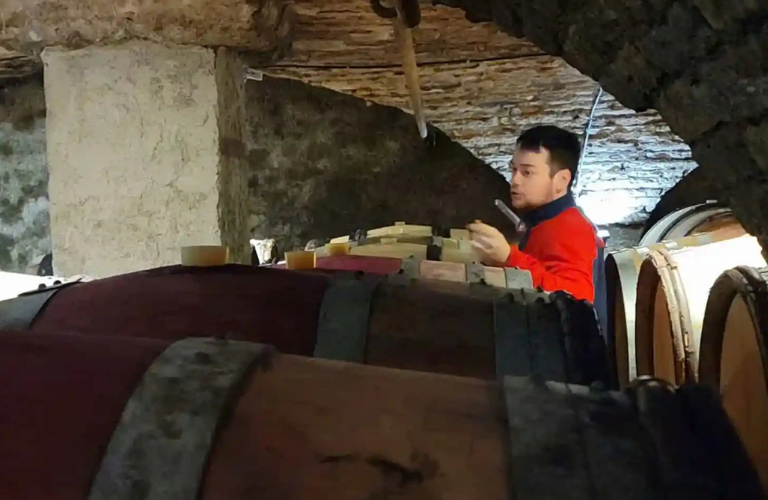
In the cellar, intervention is kept to a minimum. Fermentation happens exclusively with indigenous yeasts. Aging takes place in a mix of traditional Burgundian barrels (228 to 450 liters), larger-format old casks, and Italian terracotta amphorae, which add an effortlessness and permeability that allows terroir to speak without interference. There is no fining, no filtration, and little to no sulfur, only a homeopathic dose at bottling, if any. Each of the 8 parcels is vinified and aged separately into its own distinct cuvée.
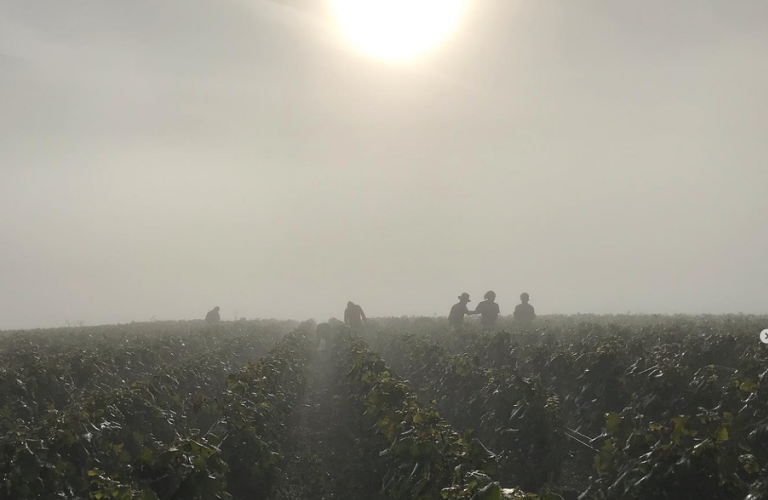
The results are wines that challenge preconceptions on Maranges. Cassiopée’s wines are noted to have more in common with Chambolle-Musigny than with what the appellation is historically associated with, being “cerebral and significant, with the kind of elegance, grace and detail one would expect from Burgundy’s more celebrated terroirs.” The harvest at Cassiopée runs up to 2 weeks later than in the more prestigious Côte de Beaune villages, a result of Maranges’ cooler microclimate. That extra hang time, combined with soils that force the vine to work, produces wines of notable brightness and mineral tension, with a purity that is unmistakably their own.
THE WINES

Bourgogne Aligoté En Gerlieus 2023
Remarkably expressive
The Aligoté vines here range from 40 to 100 years old, planted on clay-limestone soils. A portion of the wine is aged in Italian terracotta amphorae (approximately 40%), the remainder in old barrels, a combination chosen to preserve the plot’s cool, sapid character without imposing any wood influence.
Crystalline and vibrant, with aromas of lemon, yuzu zest, and white currant, followed by green apple, a note of fennel flower, and wet stone. The body is light with a fine, silky texture, animated by invigorating acidity. There is a seamless, almost weightless quality to the mid-palate, and the finish is long, saline, and minerally resonant.

Bourgogne Hautes-Côtes de Beaune Blanc Les Côtes 2022
Approachability from unusual terroir
Les Côtes is a vineyard of two distinct natures: one section sits on clay-limestone bedrock with relatively young Chardonnay vines, the other grows on an atypical granitic subsoil that adds a mineral depth rarely encountered this far south. The granite register dominates, deep, delicate, and stony.
Generously aromatic with notes of ripe pear, white peach, and a suggestion of pineapple, with gentle herb and crushed stone beneath. The palate is supple and cushioned, with good density and a fresh, well-defined line of acidity. Medium-bodied, with a pleasingly exotic mid-palate that stays fresh rather than tropical, and a finish that is mineral-tinged and satisfying.
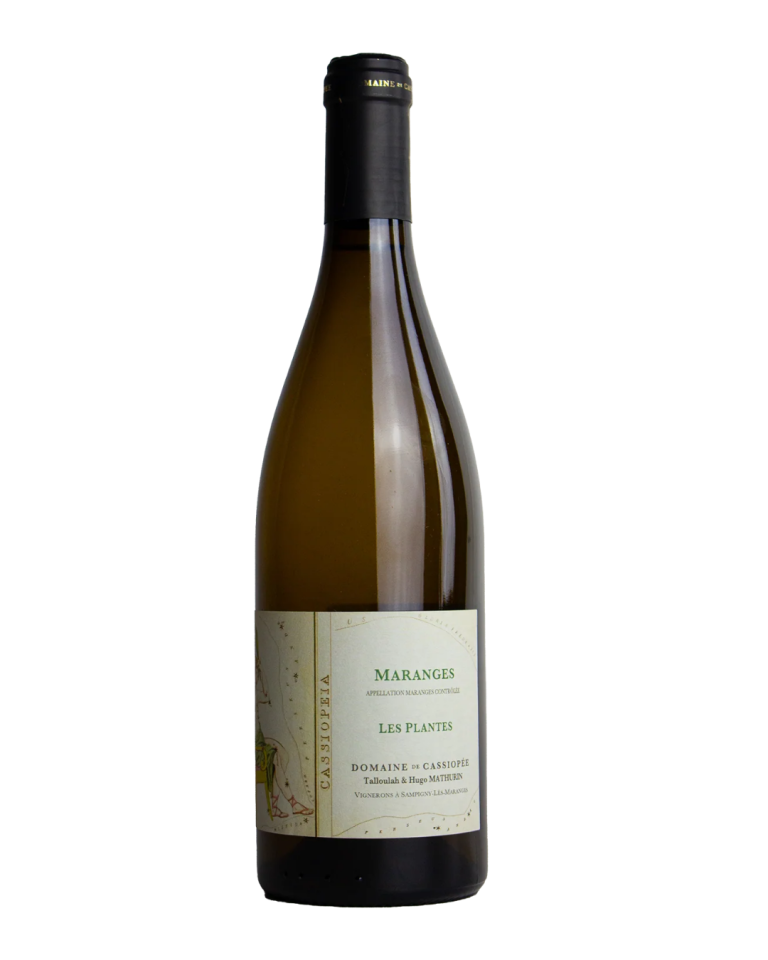
Maranges Village Blanc Les Plantes 2023
The jewel in the Cassiopée crown
The plot of 110-year-old vines surrounds the family home and produces such a minuscule quantity of fruit. The 2023 comes from 100% Chardonnay grown on limestone-rich soils with a touch of marl, fermented with indigenous yeasts and aged in three-year-old barrels to avoid any new-wood influence, allowing the old-vine concentration and the terroir to come through unencumbered.
Refined and understated with citrus blossom, white peach, crushed chalk, and delicate hazelnut. The palate is structured and ample, fuller in body than the Hautes-Côtes Blanc, with excellent tension, a saline and stone-like edge threading through the mid-palate, and a finish of notable length and finesse.
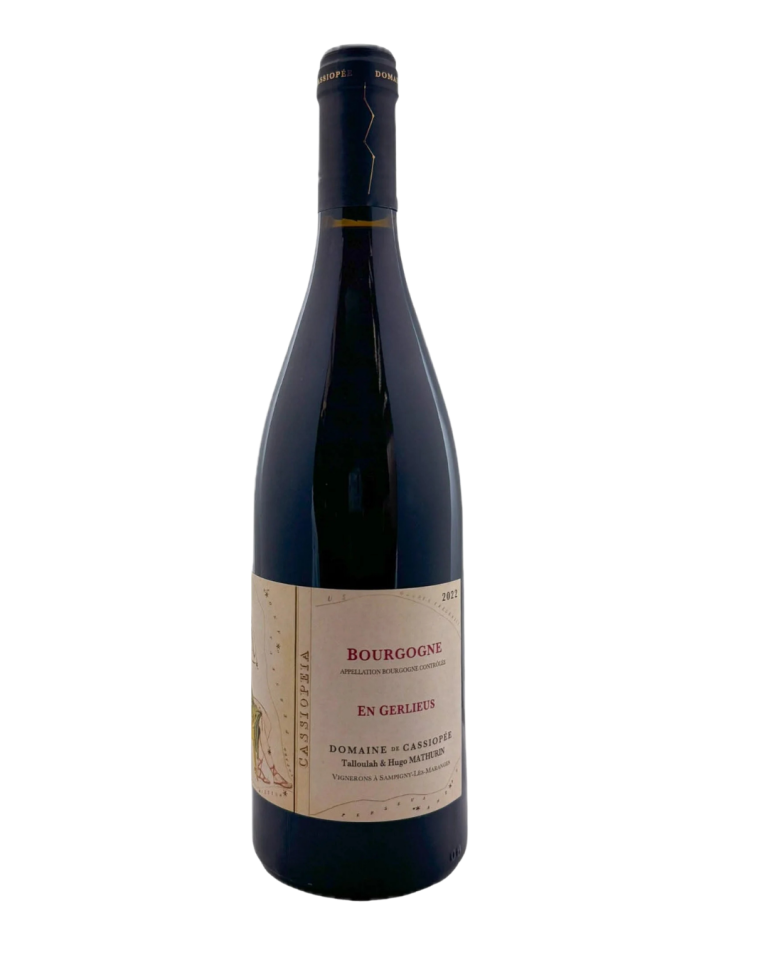
Bourgogne Rouge En Gerlieus 2022 / 2023
Pinots of beguiling concentration
The same Chassey-le-Camp hillside that yields the Aligoté also gives this Bourgogne Rouge, from Pinot Noir vines aged between 50 and 70 years. Of all the red cuvées, En Gerlieus spends the most time in the cellar before release: fermented with 40% whole clusters in neutral oak, then aged for 20 months in a mix of old barrique and amphora. The mature vines produce small, intensely concentrated clusters with naturally low yields, resulting in a wine that stands well apart from the category’s typical lightness.

Bourgogne Hautes-Côtes de Beaune Rouge Les Côtes 2022
Unusually airy yet deep for the appellation
One hectare of Pinot Noir on uniquely atypical granitic bedrock, almost unheard of in this part of Burgundy, planted in the 1960s. The couple vinifies fully destemmed, acknowledging that the granite’s natural grain and texture in the mouth does its own structural work without any whole-cluster addition. The granite “gives different tannins and grain in the mouth while bearing delicateness.”
Smoky granite, cool red cherry, dried rose, and a stony intensity that builds with air. The palate is full-bodied, fresh and structured, with a velvety width of fruit, impressive depth, and a finish that lingers with real persistence. This is one of the most distinctive sites in the domaine’s portfolio, and the wine makes an unambiguous case for it.
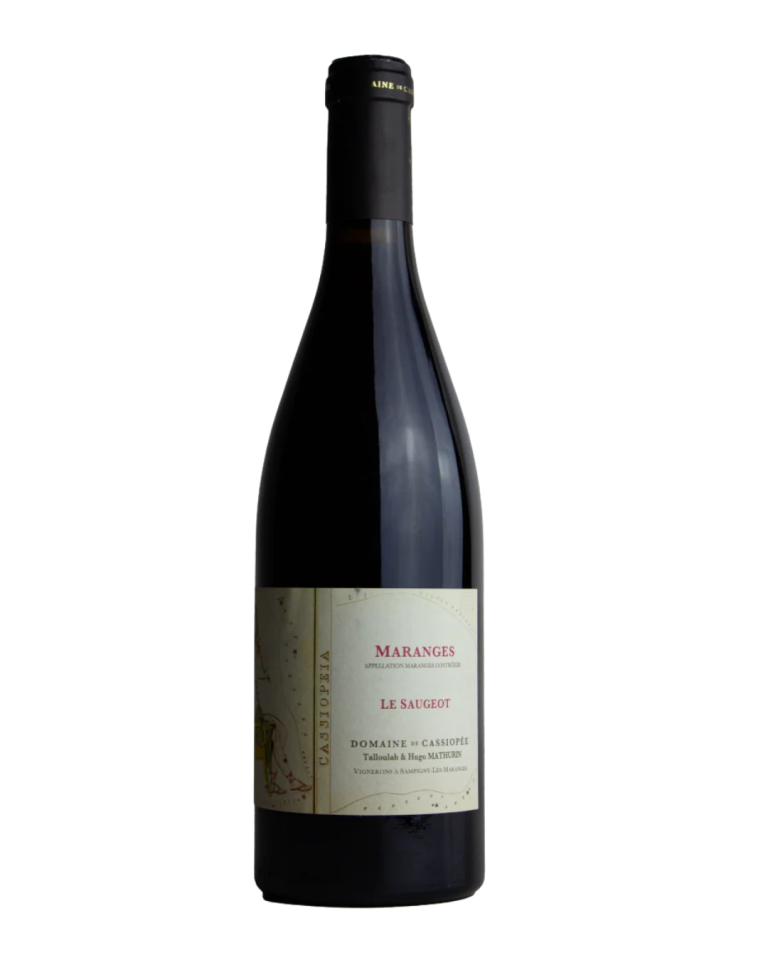
Maranges Le Saugeot 2022 / 2023
Le Saugeot is a northeast-facing parcel planted in the 1970s on a steep amphitheater-shaped slope. The soil shifts here to more clay and silt over a limestone base, making for a brooding and earthier disposition than the domaine’s other reds.
For inquiries, send us a Viber message at +63 (977) 842 4819 or email us at retailandcorp@pwxchange.com.ph